What Is FPIES and Why Are Its Symptoms Hard to Recognize?

Food protein-induced enterocolitis syndrome (FPIES) is a delayed, non-IgE-mediated food allergy that mainly affects the digestive system, most often in infants and young children. Because reactions usually occur hours after eating a specific FPIES trigger food, parents and healthcare professionals may not immediately connect the symptoms to what the child has eaten.

FPIES can be difficult to recognize at first, since the reactions often resemble a viral stomach illness or common feeding issues rather than a classic food allergy with hives or immediate swelling. Understanding how the condition works, and which symptoms to watch for, is an important step in supporting your child and discussing the possible diagnosis of FPIES with a healthcare professional.


How FPIES Affects the Digestive System

In FPIES, the immune system overreacts to certain foods and causes inflammation inside the gut. The most typical gastrointestinal symptoms include pale or lethargic appearance, severe vomiting and diarrhea, and, in some cases, low blood pressure or dehydration a few hours after eating the trigger food.

When a child has FPIES, these reactions can be frightening and may lead to emergency visits, especially if they occur repeatedly without a clear explanation. Because the pattern is delayed and there are no skin or breathing symptoms in many cases, FPIES can be difficult to diagnose without a detailed history and careful medical assessment.


What are the Most Common Symptoms of FPIES?

Infants and young children with FPIES may react differently when they eat a trigger food. However, the most common symptoms are related to the gastrointestinal tract. The most prevalent symptom is vomiting, which is often mistaken for a stomach virus, making this food allergy hard to diagnose.

Since reactions are caused by a non-IgE-mediated food allergy but still triggered by the immune system, FPIES is hard to pin down. Contrary to more common food allergies, reactions are delayed by one to four hours or more, as the food needs to pass through the digestive system. Usually, vomiting begins about two hours after consumption of a food allergen, occasionally followed by diarrhea and dehydration several hours later.

While most children will only experience mild symptoms of food protein-induced enterocolitis, 20% will have severe FPIES reactions, which can cause dehydration and potentially shock. These are the result of acute FPIES. However, some infants may have chronic FPIES – usually fed with formula, thus making their diagnosis even trickier.

Though most cases are mild, 20% of children with FPIES experience severe (acute) allergic reactions that can lead to an emergency visit to the hospital (The International FPIES Association)


When to Seek Medical Help for FPIES Symptoms

Because FPIES is a food allergy that affects the digestive system in a delayed way, it’s important to know when to seek help and when urgent care is needed as part of your child’s treatment plan; if your child has repeated episodes of intense vomiting, lethargy, or appears very pale a few hours after eating, you should contact a healthcare professional to review their clinical history and, if needed, be referred to allergy and immunology specialists.

As part of this plan, your healthcare professional may also discuss specialized nutritional options from Nutricia to help support nutritional needs when appropriate.

Though most cases are mild, 20% of children with FPIES experience severe (acute) allergic reactions that can lead to an emergency visit to the hospital (The International FPIES Association)

Our Products for FPIES

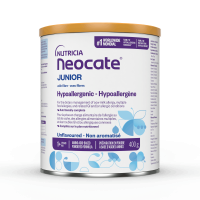
Neocate® is a family of hypoallergenic, amino acid-based specialized formulas for use under medical supervision and is indicated for cow milk allergy, multiple food allergies and related GI and allergic conditions. Talk to your healthcare provider about product recommendations.
Neocate Nutra is suitable for use in children and infants older than 6 months of age (not suitable as sole source of nutrition). Neocate Nutra is not intended for bottle or tube feeding.

Testimonials

Within days of his birth, Roland showed signs of dairy protein intolerance. He wasn’t able to nurse and was tube-fed his mom’s pumped breast milk. His mom eliminated dairy, then soy, and eventually all allergens from her diet, but his condition worsened over time. He was eventually diagnosed with FPIES. Neocate, an amino acid-based formula, recommended by his HCP helped to manage his FPIES symptoms, and Roland became a smiling, easy to care for baby.*

Roland’s** Story

*Individual results may vary.
**A patient’s story from the US

Born completely healthy, Kennedy started having blood in her stool at around 2 weeks. Her condition started improving with Neocate® Infant*. However, at 6 months, almost every solid food caused a vomiting reaction. An allergist formally diagnosed Kennedy with FPIES. Kennedy was 100% tube fed for the following months. Her FPIES RD gave us Neocate Splash after the age of 1. For the 1st time, she drank half of it in one go!**

Kennedy’s*** Story

*Sold in Canada as Neocate® DHA & ARA infant formula
**Individual results may vary.
***A patient’s story from the US

This link opens a window to another website. Nutricia Canada is not responsible for the content. Please press Yes to confirm or NO to stay on the Nutricia Canada website.

The content you are trying to access is intended for healthcare professionals only.

Are you a healthcare professional?